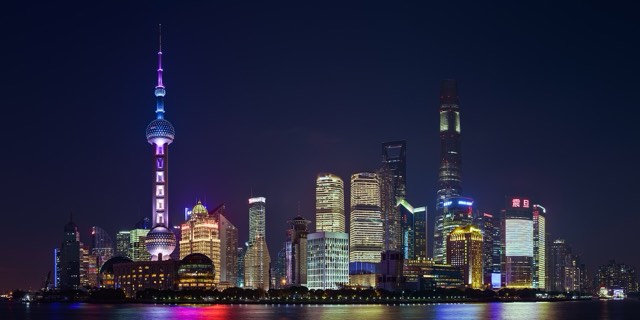
China's largest city and financial centre, where 1920s European-style buildings on the Bund face the skyscrapers of Pudong across the Huangpu River. International, fast-paced and easy to get around by metro, it is also one of the most expensive cities in China.
Climate
Humid subtropical: hot, humid summers with a rainy season in June and early July, and cool, damp winters that rarely see snow.
Local language
Mandarin everywhere; older residents also speak Shanghainese (上海话), a Wu Chinese language.
Food to try
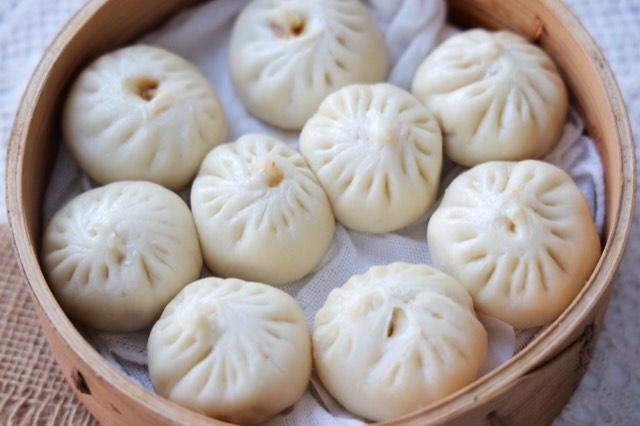
Photo: Darrylsnow · CC BY-SA 4.0 Xiaolongbao 小笼包
Small steamed soup dumplings filled with pork and hot broth. Bite a small hole first and sip the soup.
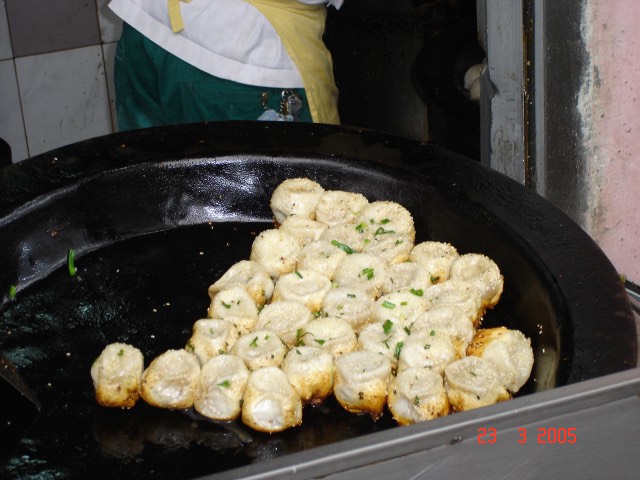
Photo: Brian Harrington Spier · CC BY-SA 2.0 Shengjian bao 生煎包
Pan-fried pork buns with a crisp golden base and a juicy filling, a favourite Shanghai breakfast.
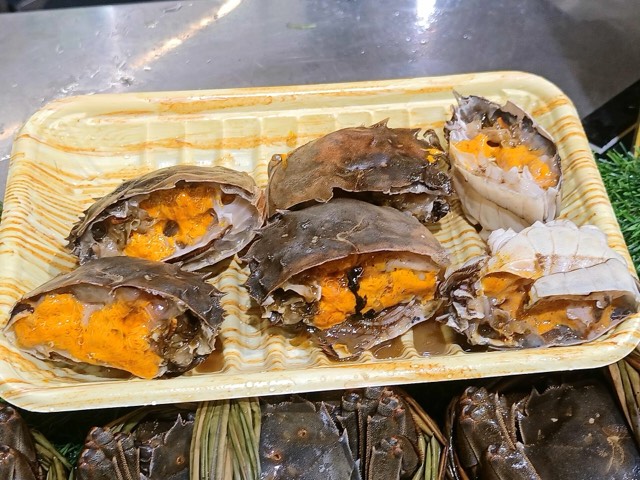
Photo: Fumikas Sagisavas · CC0 Hairy crab 大闸蟹
Autumn's seasonal treat: freshwater mitten crabs from nearby lakes, steamed and eaten with ginger and vinegar.
Sights
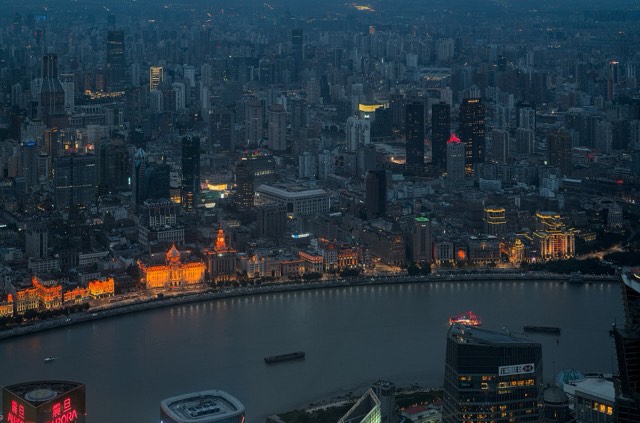
Photo: Dllu · CC BY-SA 4.0 The Bund 外滩
The riverside promenade of historic banks and trading houses, with the best view of Pudong's skyline, especially at night.
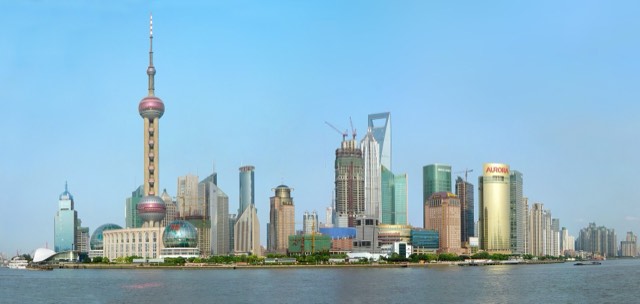
Photo: Zhang Zhang (张涨)) · CC BY-SA 3.0 Lujiazui 陆家嘴
Pudong's skyline of the Oriental Pearl Tower, Shanghai Tower and other skyscrapers, with observation decks high above the city.
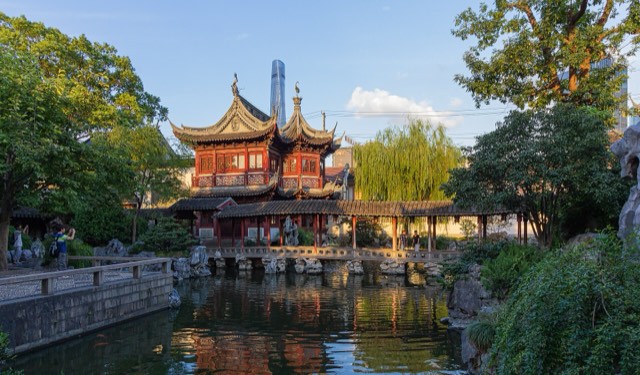
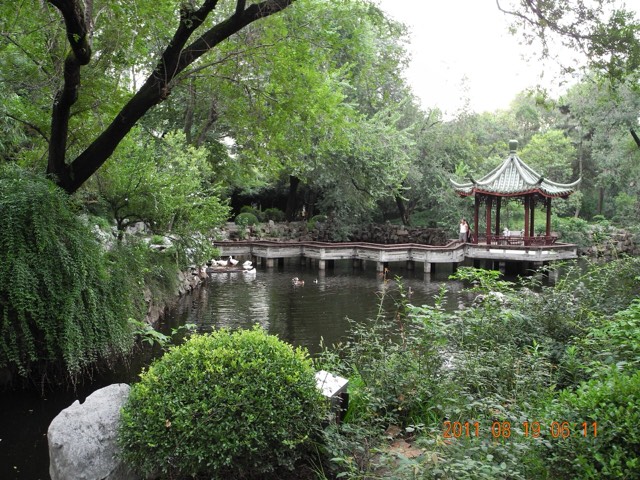
Photo: Stefan Fussan · CC BY-SA 3.0 Yu Garden 豫园
A classical Ming dynasty garden in the old city, surrounded by busy bazaar streets and snack stalls.
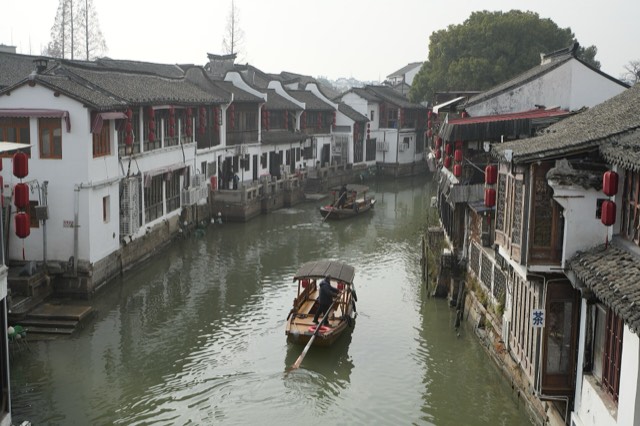
Photo: Chensiyuan · CC BY-SA 4.0 Zhujiajiao water town 朱家角
Canals and stone bridges in Shanghai's western suburbs, an easy day trip by metro.
Culture
Haipai culture 海派文化
Shanghai's own blend of Chinese and Western styles, visible in its shikumen stone-gate houses, cafés, art deco buildings and fashion.
The former French Concession 原法租界
Plane-tree-lined streets of old villas, cafés and small shops, popular for walking and cycling.