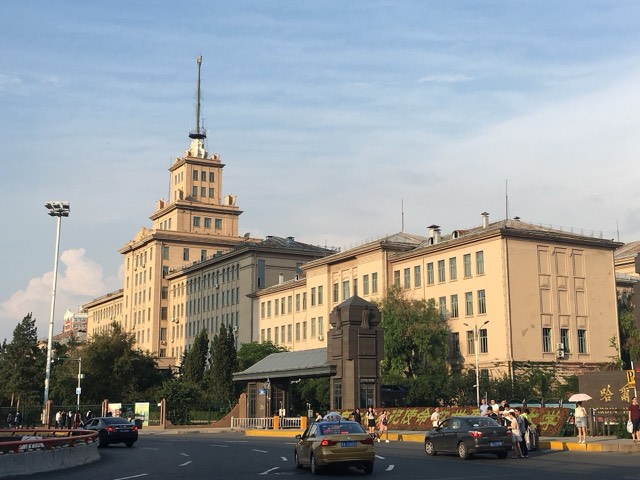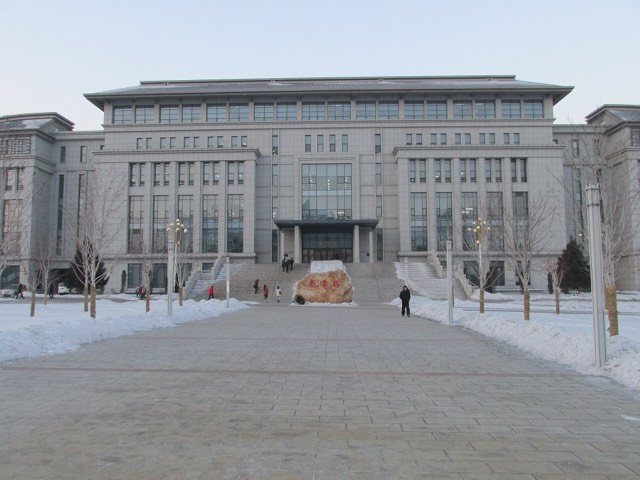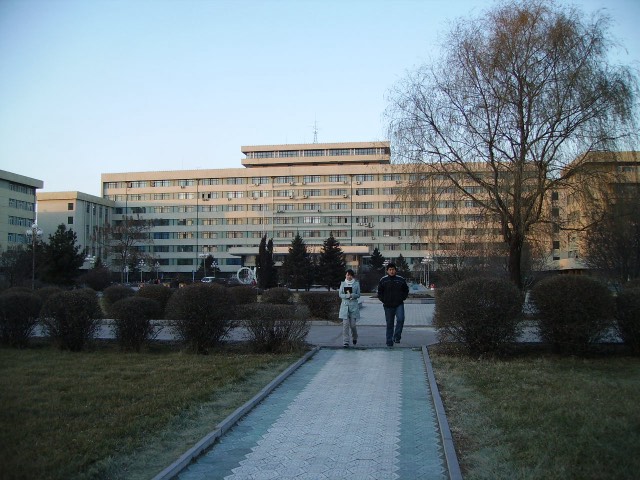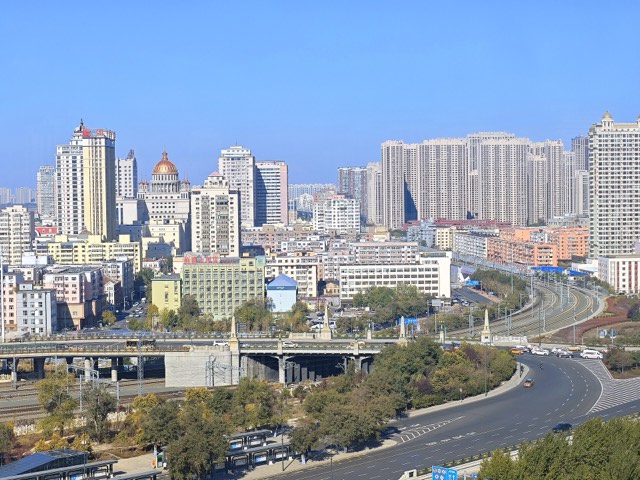
Capital of Heilongjiang in China's far north-east, close to Russia. Russian-era architecture, long frozen winters and its famous Ice and Snow Festival give Harbin a character unlike any other Chinese city.
Climate
Long, very cold winters, with January nights often below -20 °C, and short, warm summers. Bring real winter clothing if you arrive for the spring semester.
Local language
Mandarin close to the standard, with a north-eastern (Dongbei) accent.
Food to try
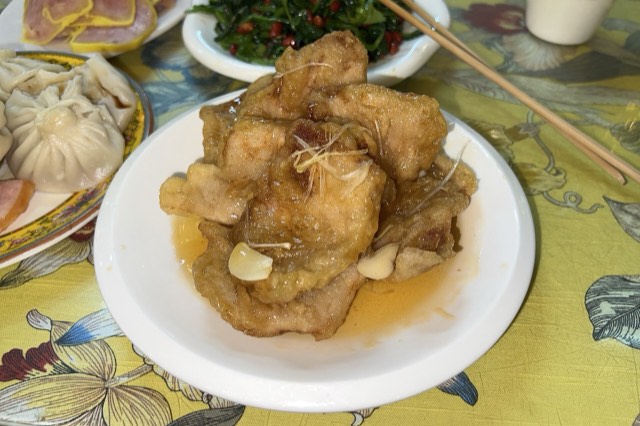
Photo: N509FZ · CC BY-SA 4.0 Guobaorou 锅包肉
Crispy sweet-and-sour fried pork, created in Harbin in the early 20th century.
Harbin red sausage 红肠
A smoky garlic sausage made from a recipe brought by Russian-era settlers, sold in shops along Central Street.
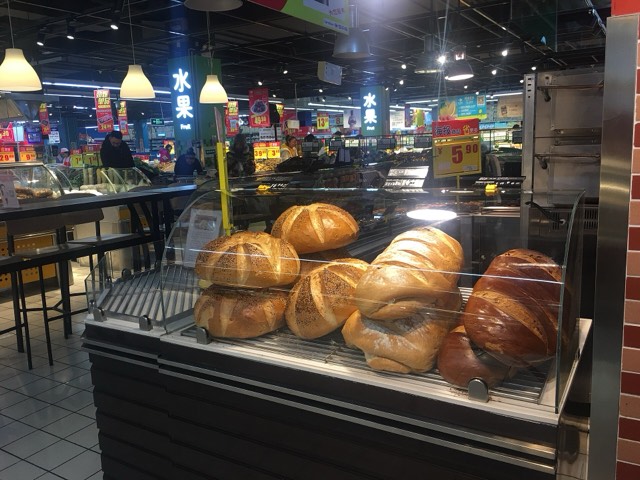
Photo: Keiri · CC BY-SA 4.0 Dalieba bread 大列巴
Large round Russian-style loaves, a Harbin speciality and a popular gift.
Sights
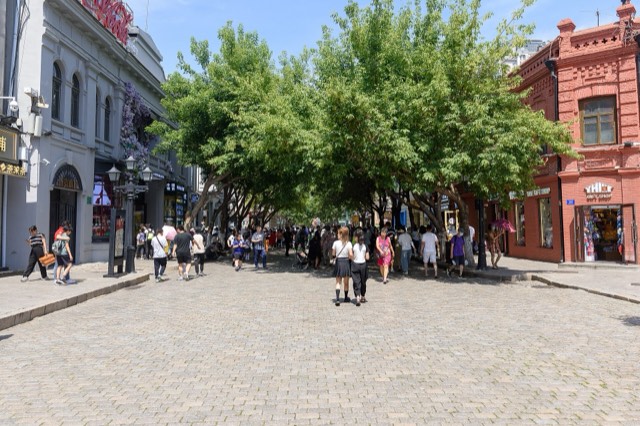
Photo: N509FZ · CC BY-SA 4.0 Central Street 中央大街
A long cobbled pedestrian street of early-20th-century European buildings, cafés and shops.
Saint Sophia Cathedral 圣索菲亚教堂
A green-domed former Russian Orthodox cathedral, now an architecture and art gallery.
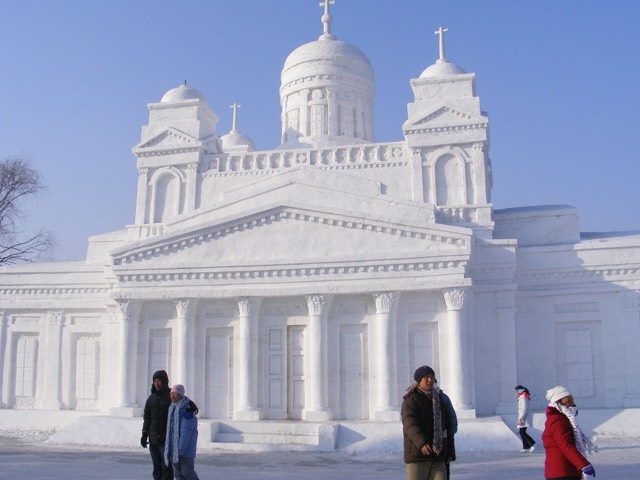
Photo: Rincewind42 from China · CC BY 2.0 Ice and Snow World 冰雪大世界
A park of illuminated ice palaces and ice slides, open in the coldest months.
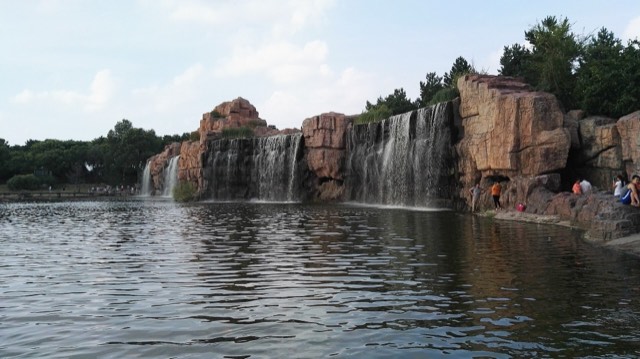
Photo: Caliva · CC BY-SA 4.0 Sun Island 太阳岛
A park on the Songhua River, with snow sculptures in winter and green lawns in summer.
Culture
Ice and Snow Festival 冰雪节
From late December to February, huge illuminated ice and snow sculptures fill the Ice and Snow World and Sun Island.
Russian heritage 俄式风情
Harbin grew around the Russian-built China Eastern Railway, and its domes, bakeries and architecture still show it.